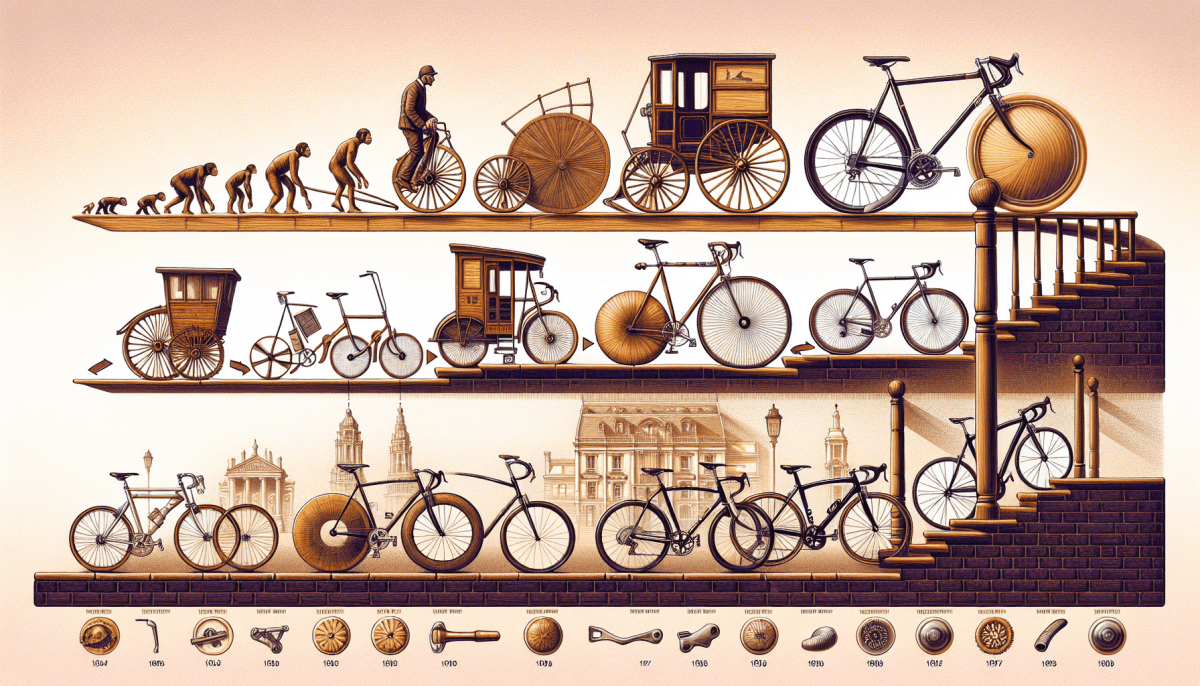
The bicycle has come a long way since its early days. It all started back in the early 19th century with something called the Laufmaschine, or "running machine." This was a wooden contraption that you basically straddled and pushed along with your feet. Fun fact: it didn't even have pedals!
Fast forward to the 1860s, when the first true bicycles began to appear. Inventors in France started adding pedals to the front wheel, creating what was known as the penny-farthing. These babies were known for their huge front wheel and tiny back wheel. Riding one felt like a wild adventure, but let’s just say they were a bit tricky, especially with those high seats.
Then came the safety bicycle in the 1880s, which is way closer to what we ride today. It had two equal-sized wheels, making it much easier to handle. This design quickly caught on and led to the boom of cycling as a popular pastime. People were suddenly hopping on bikes for fun, exercise, and even racing!
The next big step was the introduction of gears and pneumatic tires, which made cycling smoother and faster. These innovations turned cycling from just a hobby into a serious mode of transportation. With more comfort and speed, it wasn't long before bicycles became an essential part of life for many.
Evolution of Bicycle Design
The journey of bicycle design is fascinating and filled with innovation. It all began in the early 19th century when the first two-wheeled machines appeared. Known as the "Dandy Horse," this wooden contraption didn’t have pedals. You pushed yourself along with your feet. It was simple but laid the groundwork for what was to come.
Then came the Penny Farthing in the 1870s, featuring a huge front wheel and a tiny back wheel. Riders seemed to defy gravity, but let’s be honest, it wasn’t the safest option. It looked cool, though, and that iconic design definitely captured the spirit of the age. People loved the thrill of riding, even if it meant taking a tumble now and then.
The safety bicycle, introduced in the 1880s, changed everything. With two wheels of the same size and pedals directly connected to the rear wheel, this design felt much more stable. It was a game-changer that made cycling accessible to everyone. Imagine how exciting it must have been to ride around without worrying about flipping over the front wheel!
Fast forward to the 20th century, and we see even greater innovations. Gears and derailleurs made their debut, allowing cyclists to tackle challenging terrains with ease. Then there are those fun racing bikes with lightweight frames and aerodynamic designs. Riders began to look for speed, and bike makers delivered.
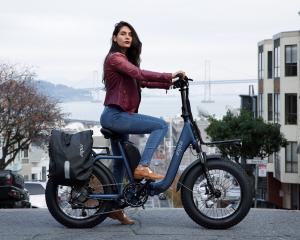
Today, we’ve got everything from electric bikes to mountain bikes designed for rugged trails. With advancements in materials, technology, and design, biking is now a sport, a lifestyle, and a green mode of transportation. The evolution of bicycle design is like a thrilling ride through time, and it keeps rolling forward!
Key Innovations That Changed Cycling
Biking has come a long way since the first wooden bicycles rolled down the streets. Let’s take a look at a few innovations that really shook up the cycling world. They made bikes faster, safer, and way more fun to ride!
First up, the introduction of the penny-farthing back in the 1870s changed the game. With its huge front wheel and tiny back wheel, it turned heads and made biking a spectacle. Riders could travel faster with less effort, but let’s be honest—it wasn’t the safest option. One little bump and you could find yourself doing a faceplant!
Next, the safety bicycle was a big step forward, featuring two wheels of the same size. This made it way easier to ride and much safer, since you didn’t need to worry about tipping over the front wheel. Chain drives and gears also popped up around this time, meaning riders could tackle hills and long distances without breaking a sweat.
Fast forward to the 20th century, and you’ve got the mountain bike taking off. With wider tires and better shock absorption, trails became playgrounds for adventurous cyclists. This opened up a whole new world for bike lovers, blending fitness with outdoor fun.
Today, we see sleek road bikes with lightweight materials and advanced gear systems. And let’s not forget e-bikes, bringing a whole new audience into the cycling scene. With all these cool innovations, cycling continues to evolve, and there’s always something new to get excited about!
Bicycles and Their Impact on Society
Bicycles have played a huge role in shaping society over the years. Back in the 19th century, when bikes first hit the scene, they weren’t just a new mode of transport. They changed how people interacted, worked, and traveled. Suddenly, folks gained the freedom to explore their neighborhoods and beyond, opening doors to new opportunities.
As more people hopped on bikes, cities began to rethink their layouts. Roads were built wider and safer for cyclists, and bike lanes started popping up. This shift encouraged healthier lifestyles and less reliance on cars. Imagine a city buzzing with the sounds of cyclists instead of honking horns. That’s the magic of bikes!
Fast forward to today, and bicycles are still influencing society. They’re a big player in discussions about climate change, urban planning, and public health. Many cities are investing in bike-sharing programs, making cycling accessible for everyone. This not only cuts down on traffic congestion but also helps folks stay fit while enjoying the great outdoors.
Plus, biking brings communities together. Whether it’s group rides, charity races, or local bike shops, cycling creates bonds among people from all walks of life. It’s not just about getting from point A to point B; it’s about the joy of riding and the connections made along the way.