Choosing the right bike can feel a bit overwhelming with all the options out there. But don’t sweat it! Let’s break down the different types of bikes so you can find the perfect match for your riding style.
First up, we have road bikes. These are great if you love speed and long rides on smooth pavement. They’re lightweight and designed for efficiency, making them perfect for weekend warriors or anyone looking to join a cycling group. Just remember, they’re not the best for rough terrain.
If you're into trails and gravel paths, check out mountain bikes. They’re sturdy, with thicker tires and better shock absorption to handle bumpy rides. Perfect for adventures in the woods or on rocky hills. If you like to mix it up, consider a hybrid bike. It takes the best features from road and mountain bikes, so you can ride on pavement or light trails without skipping a beat.
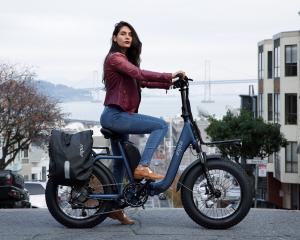
For those just looking to get from point A to point B, commuter bikes are a smart choice. They’re practical and comfortable, often equipped with racks or fenders to make city riding a breeze. Whether you’re riding to work or just cruising through town, they offer a relaxed vibe that fits nicely in urban settings.
Lastly, if you’re into leisurely rides or want to take a more laid-back approach, a cruiser bike might be your best bet. With their comfy seats, wide handlebars, and stylish designs, they make for a fun, relaxed ride along the beach or park. Plus, they’re all about enjoying the journey!
Key Features to Consider When Choosing
When you're on the hunt for your perfect bike, a few key features can make all the difference. Let's break it down so you can find just what you need.
1. Type of Bike: Think about where you’ll ride. Are you hitting the trails, cruising the streets, or tackling hills? Mountain bikes are great for rough terrains, while road bikes are built for speed on pavement. Hybrid bikes offer a mix for those who like both!
2. Frame Material: The frame affects weight and comfort. Aluminum is lightweight and budget-friendly, while carbon fiber is super light but pricier. Steel is strong and provides a comfy ride, making it a classic choice for many cyclists.
3. Gearing: Consider how many gears you want. More gears can help you tackle hills better but may add complexity. If you’re riding mostly flat roads, a single-speed bike might be perfect. Think about your ride style and the terrain around you.
4. Fit: A bike should feel like an extension of you. Make sure you can easily reach the handlebars and pedals. Don’t hesitate to test ride a few options and ask for help at your local bike shop. A comfortable fit means you’ll enjoy your rides much more!
How to Test a Bike Before Buying
Before you buy a bike, it’s crucial to test it out. You want to make sure it feels right for you! Here’s what to check when you take a bike for a spin.
First off, check the size. Stand over the bike—you should have a couple of inches of clearance between you and the top tube. If you can’t stand comfortably, it's a no-go. Adjust the seat height so you can reach the pedals easily. When you pedal, your legs should be almost fully extended, but not locked.
Next up, go for a ride! This is the fun part. Take it for a spin around the shop or on a nearby trail. Pay attention to how it handles. Is it easy to steer? Does it feel heavy or light? You want something that feels natural as you ride.
Don't forget to test the brakes! Squeeze the levers and feel how responsive they are. They should stop you quickly and smoothly without feeling spongy. Also, check the gears. Shift through them to make sure they change easily and don’t skip. You want a bike that shifts as quickly as you do!
Lastly, trust your gut. If something feels off, it probably isn't the right bike for you. The right bike should give you a sense of excitement to ride, not discomfort. So take your time and find that perfect match!
Tips for Maintaining Your New Bike
Congrats on your new ride! Maintaining your bike is key to keeping it in great shape and making sure it runs smoothly for years. Here are some easy tips to help you out.
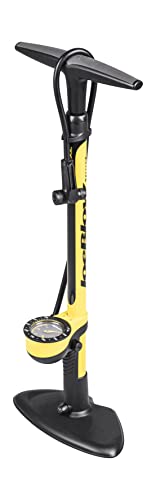
First up, give your bike a regular check-up. Just like a car, your bike needs some love too. Look for any signs of wear and tear on the tires and brakes. Check the air pressure in the tires often; you want them nice and firm, not flat. If the brakes feel squishy, it’s time to adjust or replace the pads.
Cleaning your bike is a must. A dirty bike can lead to all sorts of problems, so wipe down the frame and components regularly. Use a soft cloth and mild soap for the frame. For the chain, use a degreaser, then lube it up to keep it moving smoothly. A clean bike also looks awesome!
Don’t forget about the gears. If you notice any grinding or skipping when you shift, it might be time for an adjustment. Keeping the derailleur and gear cables in good condition makes your ride smoother and way more enjoyable.
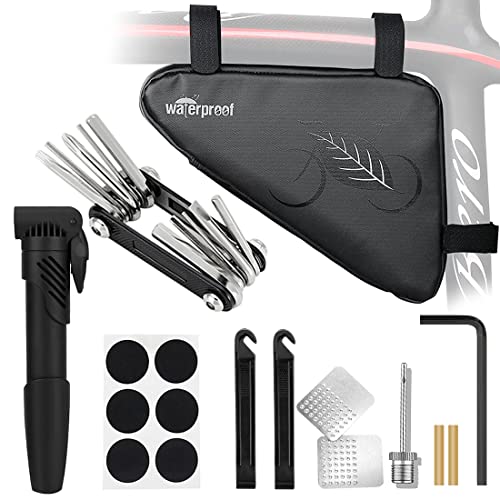
Finally, get familiar with the basics of bike maintenance. Knowing how to fix a flat tire, tighten loose bolts, or adjust your seat can save you a headache later. Plus, it gives you the confidence to hit the road anytime!